UV stabilizers (also known as UV additives) are specialized chemical compounds added to materials to act as an effective “sunscreen,” protecting products from degradation and aging caused by ultraviolet (UV) radiation from sunlight. In the world of modern materials, especially in the plastics industry, these additives are not just an extra feature—they are a vital factor that determines the lifespan and aesthetic appeal of a product.
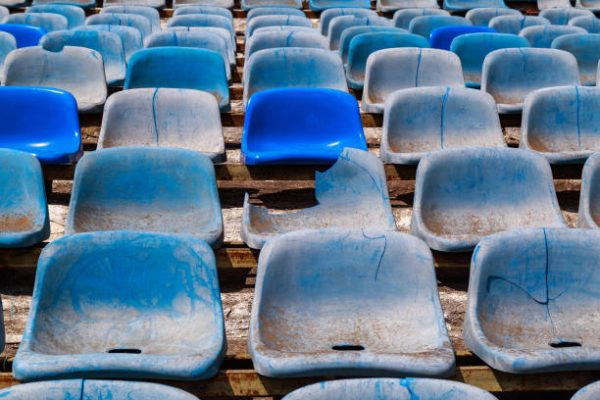
Have you ever wondered why one plastic chair left outdoors becomes brittle, cracked, and faded after just one summer, while another remains durable and beautiful for years? The secret lies in UV stabilizers. This article provides a comprehensive look at this “unsung hero,” from its mechanism of action to its surprising practical applications.
1. The Harmful Effects of UV Rays on Materials
Before exploring the solution, we need to clearly identify the damage UV rays cause. Ultraviolet radiation is an invisible component of sunlight that carries high energy. When it strikes materials, particularly polymers (plastics), this energy is strong enough to break the chemical bonds within the molecular structure. This process, known as photodegradation, leads to a series of detrimental consequences:
- Color Fading: Pigment molecules are destroyed, causing the product to lose its original vibrant color and look old or dull.
- Yellowing: A common phenomenon in white or transparent plastics, which diminishes the material’s clean appearance.
- Loss of Gloss: The surface of the material becomes rough and opaque.
- Brittleness and Cracking: Long polymer chains, which provide flexibility, are broken into shorter segments. This causes the material to lose elasticity, becoming brittle and prone to cracking under physical stress.
- Degradation of Mechanical Properties: Tensile strength, flexural strength, and impact resistance are all significantly compromised.
2. How Do UV Stabilizers Work?
To combat the degradation process, scientists have developed plastic additives capable of intervening in this cycle. There are two primary protection mechanisms, corresponding to the two most common types of UV additives:
2.1. UV Absorbers
Think of these additives as working exactly like the sunscreen we apply to our skin.
- Mechanism: UV absorber molecules “capture” high-energy UV radiation. Instead of allowing this energy to attack the polymer chains, they absorb and convert it into low-level, harmless thermal energy (heat), which is then dissipated into the environment. They form a protective shield from within the material.
- Example: Like an invisible shield, they block UV “arrows” before they can cause harm.
- Common types: Compounds from the Benzotriazoles and Benzophenones groups.
2.2. Hindered Amine Light Stabilizers (HALS)
If UV Absorbers are the “shield,” HALS is the “medical team” that repairs damage.
- Mechanism: HALS do not directly block UV rays. Instead, they work at a later stage. When UV rays manage to penetrate and attack the polymer, they create “free radicals”—unstable molecules that trigger a chain reaction of destruction. HALS immediately “capture” and neutralize these free radicals, stopping the aging process before it spreads.
- Key Advantage: Uniquely, HALS are not consumed during this process. They can regenerate themselves and continue to “patrol” and protect the material over a very long period, providing durable protection.
The Perfect Combination: For applications requiring extreme color fastness and longevity, manufacturers often combine both UV Absorbers and HALS. UV Absorbers act as the first line of defense, while HALS handle any UV rays that “slip through the net,” creating the most comprehensive and long-lasting protection system.
3. Practical Applications of UV Stabilizers
Thanks to their superior protective capabilities, UV stabilizers are an indispensable component in countless products, helping them stay durable and beautiful under harsh weather conditions.
3.1. The Plastics Industry – The Most Widespread Application
This is the field where UV additives play their most critical role.
- Outdoor & Garden: Plastic furniture, fencing, polycarbonate roofing, Wood Plastic Composites (WPC), and planters.
- Automotive: Exterior plastic components such as bumpers, mirror housings, dashboards, and door handles—preventing fading and cracking due to sun exposure.
- High-Tech Agriculture: Greenhouse films, shade nets, and agricultural mulch. UV additives help these products withstand intense sunlight season after season.
- Construction & Public Works: Stadium seating, public trash cans, playground equipment, and exposed water pipes.
3.2. Paints & Coatings
UV stabilizers in paint help the coating maintain its color and gloss while preventing peeling and chalking.
- Automotive Paint: A key factor in keeping car colors fresh and shiny for years.
- Exterior Wood Stains: Protecting the finish and the wood surface of doors, fences, and railings.
- Industrial & Marine Coatings: Used for steel structures, ships, and oil rigs—places exposed to the harshest weather conditions.
3.3. Packaging
Beyond protecting the packaging itself from degradation, these additives protect light-sensitive products inside.
- Plastic Bottles: Transparent PET or HDPE bottles containing food, beverages, pharmaceuticals, or cosmetics.
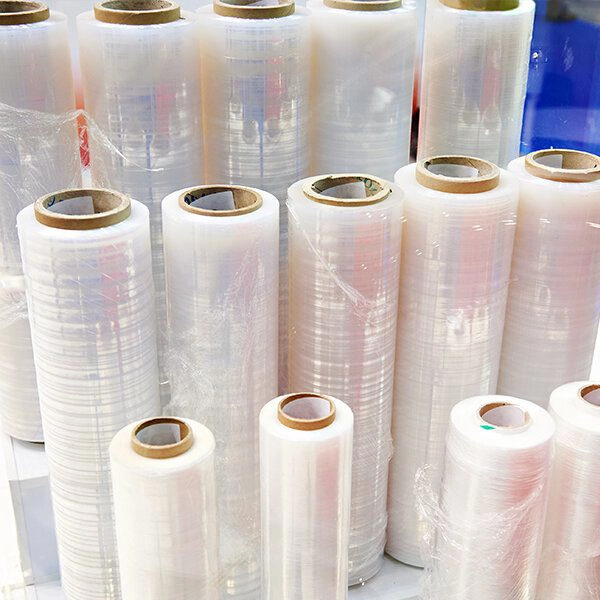
- Food Wrap & Stretch Film: Preventing food from spoiling, losing color, or degrading due to sunlight while on display.
3.4. Textiles & Fabrics
- Outdoor Fabrics: Canvas, awnings, umbrellas, and upholstery for outdoor furniture.
- Sportswear & Swimwear: Helping garments retain vibrant colors and preventing fabric rot during frequent outdoor activities.
Conclusion
UV stabilizers are a significant achievement in materials science, playing an essential role in enhancing the quality and durability of modern products. Although they make up only a tiny percentage of the total composition, the benefits they provide are immense: extending service life, maintaining aesthetics, preserving product value, and ultimately enhancing brand reputation.
The next time you see a plastic product that remains durable after years of exposure to sun and rain, remember that “unsung heroes”—the UV stabilizers—are likely working tirelessly inside to provide that incredible resilience.