

1. General Information
- Chemical Name: Bis(2,2,6,6-tetramethyl-4-piperidyl) sebacate
- CAS No.: 52829-07-9
- Molecular Formula: C₂₈H₅₂N₂O₄
2. Product Description
HALS Tinuvin 770 (also known as Tinuvin 770 or HALS 770) is a light stabilizer belonging to the Hindered Amine Light Stabilizer (HALS) class. This product is designed to protect polymers from degradation, discoloration, and surface cracking caused by ultraviolet (UV) radiation, thereby extending the service life of plastic products used in outdoor environments.
3. Key Features
- Comprehensive Protection: Provides effective resistance against UV radiation and photo-oxidation.
- High Compatibility: Performs exceptionally well with various resins such as PE, PP, ABS, ASA, PS, PU, and PA.
- Thermal Stability: Features excellent heat resistance, low volatility during processing, and ease of blending with virgin resins.
- Durability Enhancement: Helps maintain the flexibility and color fastness of plastic products.
4. Advantages and Disadvantages
- Advantages:
- Extends the lifespan of plastic products frequently exposed to sunlight.
- Ensures aesthetic quality by minimizing cracking and fading.
- Easily integrated into various manufacturing processes: film extrusion, injection molding, blow molding, and sheet extrusion.
- Provides an ideal balance between protective performance and cost-effectiveness.
- Disadvantages:
- Higher cost compared to simple UV absorbers.
- Effectiveness depends on the polymer system and processing technology; requires precise dosage calculation.
5. Common Applications
- Plastic Industry: Plastic films, pipes, sheets, containers, and outdoor furniture.
- Automotive Industry: Interior and exterior plastic components.
- Coatings: Used in PU coatings to enhance weatherability.
6. Technical Specifications (Quick Info)
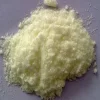
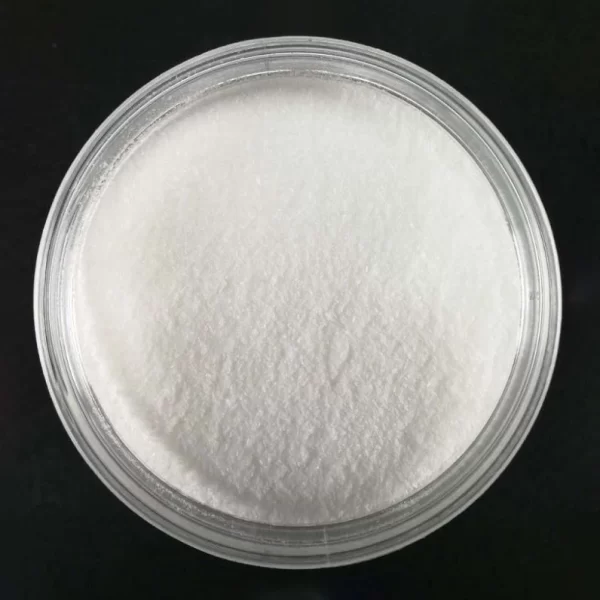
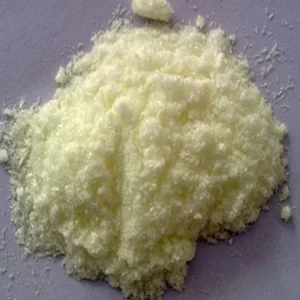
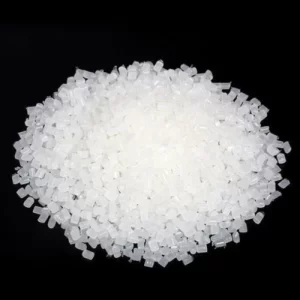
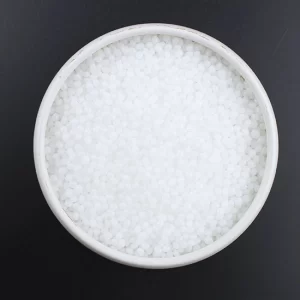
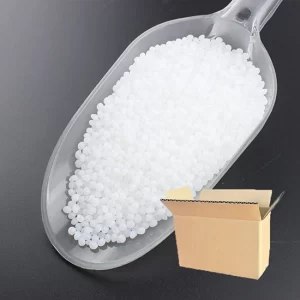
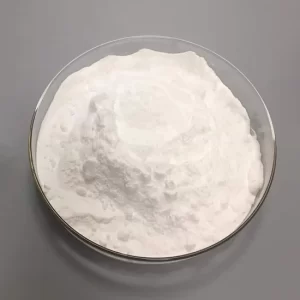
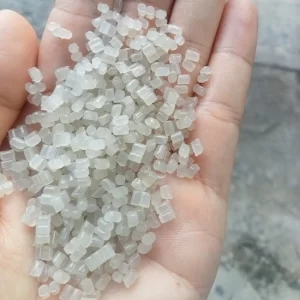
- Physical Form: White or off-white crystalline powder.
- Melting Point: 81 – 85°C.
- Density: Approx. 1.05 g/cm³.
7. Recommended Dosage
- Usage Rate: 0.1% – 1.0% by weight of the polymer (depending on the base resin type and actual environmental exposure).





Reviews
There are no reviews yet.