Future of the Bioplastics Market in 2025: Growth, Challenges, and Sustainable Opportunities
The global shift toward environmentally friendly alternatives to conventional plastics is becoming increasingly pronounced. The year 2025 is anticipated to be a breakthrough year for the bioplastics market, driven by growing environmental awareness, evolving regulations, and continuous technological innovation.
1. Market Growth and Sustainability Commitments
The bioplastics market is experiencing undeniable growth. Industry reports project that the market could expand significantly, reflecting a strong compound annual growth trend as companies embrace ESG (Environmental, Social, Governance) goals and seek sustainable material solutions.
The Asia-Pacific region is emerging as a key growth engine due to rapid industrialization, supported by notable expansion in Europe and North America across packaging, automotive, electronics, and agriculture sectors.
2. “Drop-In” Bioplastic Solutions: Compatibility and Efficiency
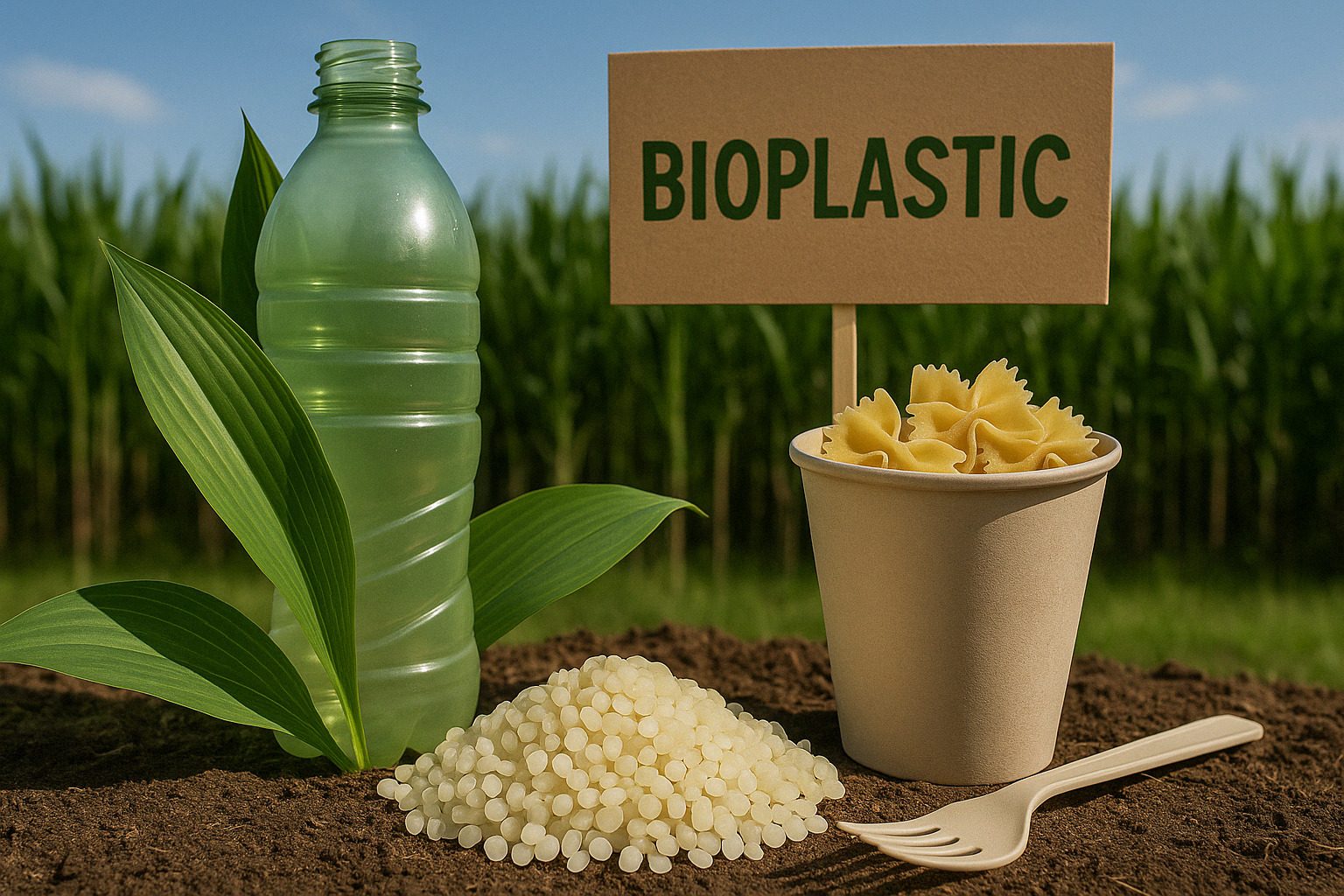
One major market driver is the increasing adoption of “drop-in” bioplastics—renewable plastics that are chemically identical to traditional polymers like bio-PE and bio-PET.
These materials are appealing because they allow manufacturers to switch to sustainable inputs without modifying existing equipment or processes, enabling efficient production transitions. Key industries such as FMCG, food & beverage, and personal care are actively leveraging drop-in bioplastics to meet sustainability targets while maintaining performance and productivity.

3. Rising Demand for Biodegradable and Compostable Materials
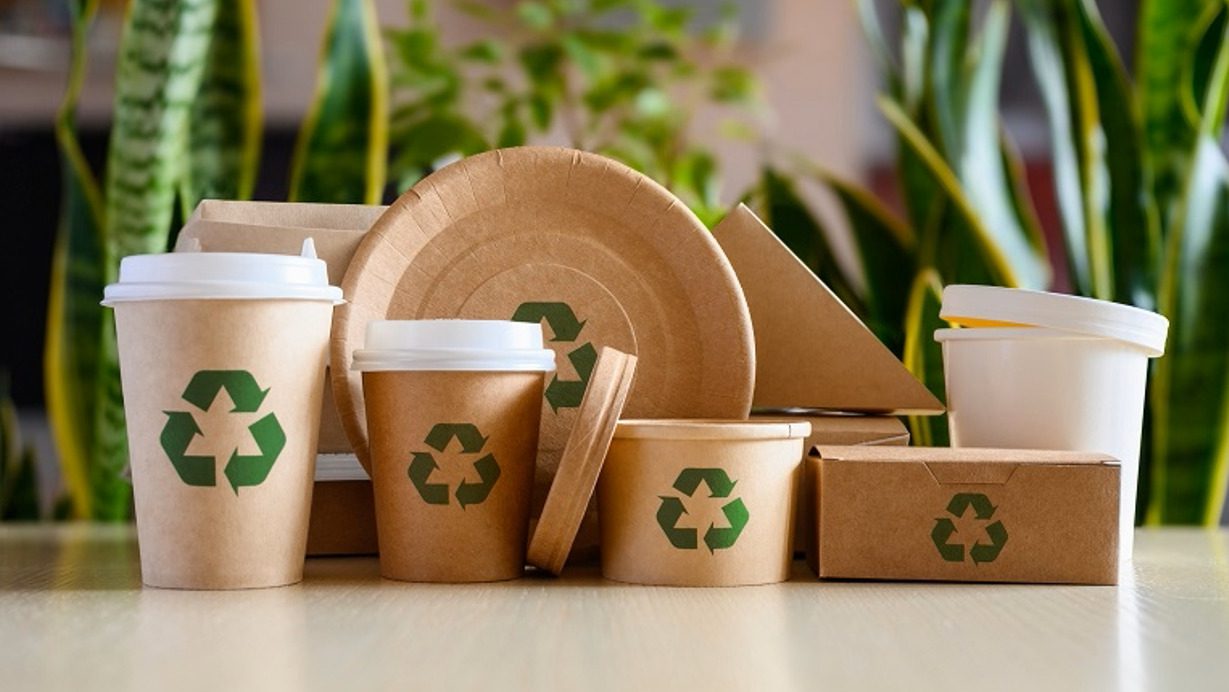
At the same time, demand for biodegradable and compostable plastics—such as PLA, PHA, and PBAT—is on the rise. These materials are increasingly used for short-lifecycle products like food packaging, single-use items, and agricultural films.
Growing consumer awareness, along with advances in composting infrastructure, is helping drive adoption of bioplastics that can break down easily at the end of their life cycle, supporting the development of a true circular economy.

4. Innovation in Raw Materials and Production Technologies
The future of bioplastics is closely tied to R&D breakthroughs. While first-generation feedstocks like corn and sugarcane remain dominant, there’s a clear shift toward second-generation sources, including agricultural residues, algae, and non-food biomass.
Emerging technologies such as CO₂-based polymer production and advanced material engineering are helping improve mechanical performance, thermal stability, and cost competitiveness—bringing bioplastics closer to parity with traditional plastics.
5. Policy Support and Certification Incentives
Regulatory frameworks are playing an increasingly influential role. Measures such as single-use plastic bans, incentives for green materials, and eco-friendly public procurement standards are creating favorable conditions for bioplastics market growth.
Certification from respected organizations like TÜV Austria, BPI, and DIN CERTCO provides transparency around biodegradability and bio-content, building trust among consumers and giving companies a competitive edge.
6. Challenges Still Ahead
Despite strong momentum, key challenges remain:
- Higher production costs compared to fossil-based plastics
- Insufficient composting and waste management infrastructure in many regions
- Labeling inconsistencies around terms such as “bioplastic,” “biodegradable,” and “compostable,” which can confuse buyers
Overcoming these barriers will require collaboration across suppliers, manufacturers, policymakers, and consumers.
7. Outlook: A Promising Future
The future of the bioplastics market is highly optimistic. As the global economy transitions toward sustainability and circularity, bioplastics are expected to play a central role.
Companies that invest in innovative technologies, comply with rigorous certifications, and build transparent supply chains will not only satisfy market demand but also help shape a greener, more sustainable future for the entire industry.