Distinguishing Plastic Pellets and Resin: Characteristics, Applications, and Optimal Material Selection
In manufacturing, packaging, construction, and design industries, the terms plastic pellets and resin are often mentioned together. Although they are sometimes used interchangeably, they are in fact two different materials with distinct characteristics and applications. Understanding this distinction is essential for engineers, designers, and consumers who want to make informed material choices in terms of performance, cost, and environmental impact.
1. From Origin to Definition
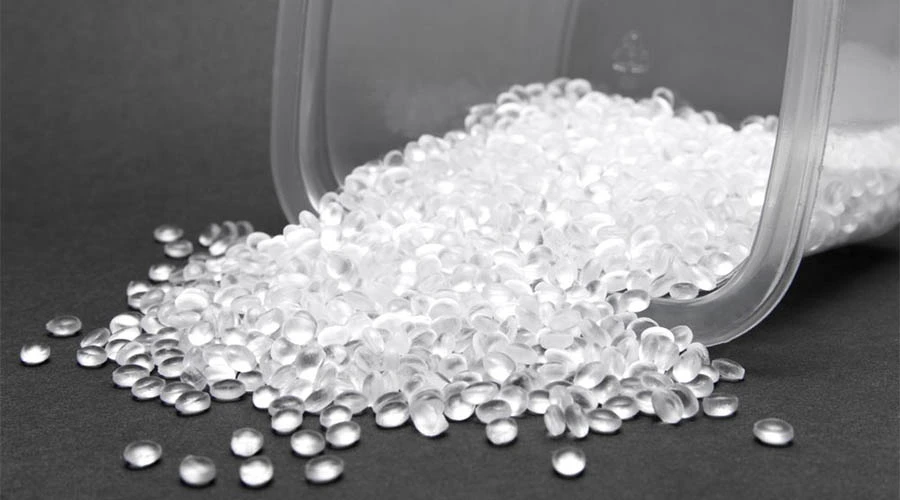
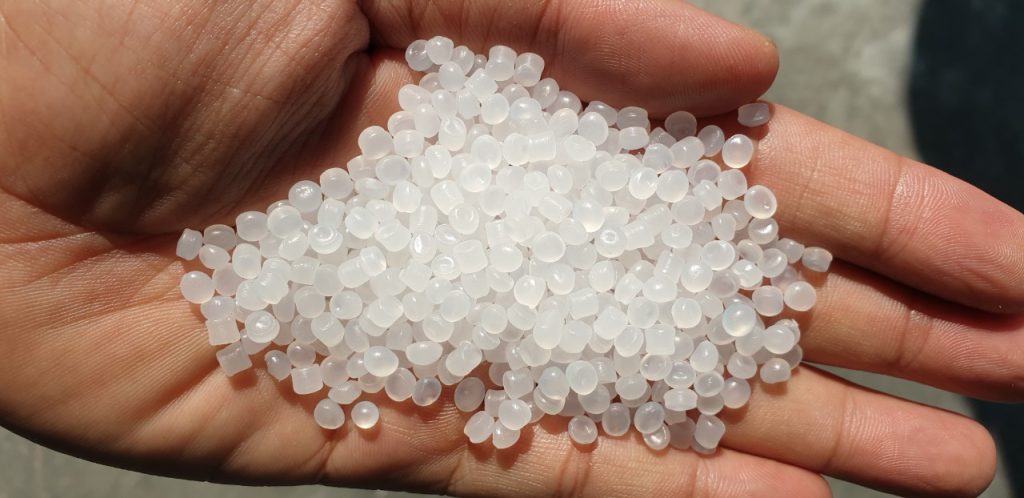
Plastic pellets are synthetic materials created through the polymerization of monomers derived from petroleum, such as ethylene or styrene. This process produces high–molecular-weight polymers that are processed into products such as bottles, housings, films, and automotive components.
Resin, by contrast, has a broader definition. Historically, it referred to sticky substances of natural origin obtained from trees, such as pine resin. Today, resin also includes synthetic resins, which serve as precursors for plastic pellet production. Resin may exist in liquid, gel, or solid form and acts as the foundational material for forming polymer compounds.
2. Material Properties and Performance
Plastic pellets—especially thermoplastics such as polypropylene (PP) or ABS—are valued for their durability, flexibility, and resistance to water, chemicals, and mechanical stress. As a result, they are the primary materials used in mass production.
Synthetic resins such as epoxy, polyester, or polyurethane, on the other hand, are typically selected for specialized applications. They are favored for their strong adhesion, transparency, and excellent moldability. Although some resins can achieve high hardness after curing, they are often more brittle than industrial plastics and may degrade under UV exposure or high temperatures if not properly stabilized.
3. Industrial and Creative Applications
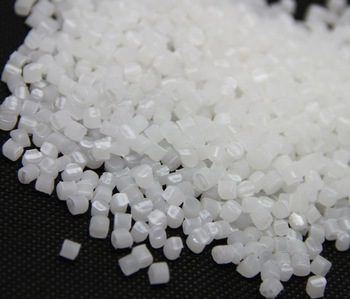
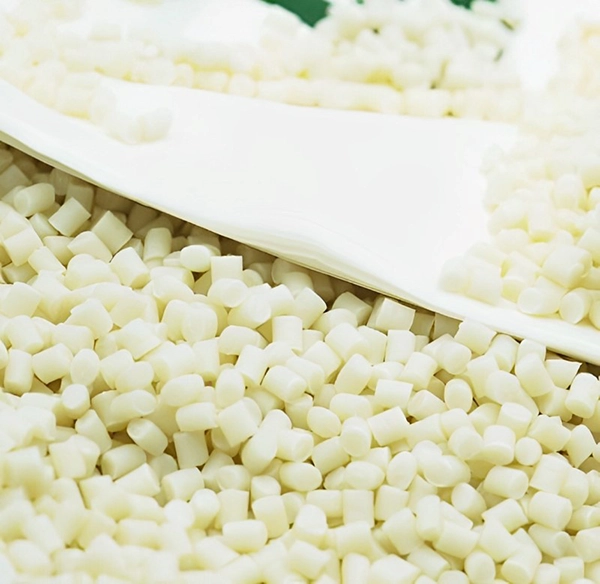
A major difference lies in how these materials are used. Plastic pellets, supplied in pellet or sheet form, are the backbone of large-scale industrial manufacturing. Processes such as injection molding, extrusion, thermoforming, and blow molding are used to produce packaging, medical devices, automotive parts, and electronic components.
Resin is primarily used in applications requiring adhesion, casting, or surface coating. In aerospace, marine, and automotive repair industries, resins such as polyester or epoxy are used to reinforce composite materials like fiberglass. In consumer industries, resin is found in varnishes, adhesives, and wood coatings. Artists and designers also favor resins (such as epoxy or UV resin) for jewelry and handicrafts due to their high gloss, colorability, and encapsulation capabilities.

4. Processing and Handling Methods
Plastic pellets are typically processed under high temperature and pressure using injection molding machines, extruders, or thermoforming equipment. These processes allow for fast, consistent shaping, making them ideal for automated production lines.
Resin, by contrast, often requires manual or semi-automated processing. Liquid resin is poured into molds and then cured using heat, UV light, or chemical catalysts. As a result, resin is well suited for products with complex shapes or low production volumes. However, this also means longer processing times and higher skill requirements.
5. Cost, Supply, and Sustainability
Plastic pellets are generally more affordable due to large-scale production and stable raw material supply. However, their environmental cost is significant: most plastic pellets are not biodegradable, and a large portion of plastic waste still ends up in landfills or oceans.
Resin costs vary widely depending on application. Resins used in aerospace or electronics can be very expensive, while common polyester or acrylic resins are more affordable. From a sustainability perspective, natural resins such as pine resin are biodegradable, but synthetic resins face environmental challenges similar to plastics. As a result, research is increasingly focused on bio-resins derived from corn starch, lignin, and other renewable resources to replace fossil-based materials.
6. Market Trends and Material Evolution
Under pressure from consumers and regulatory frameworks, the plastics industry is shifting toward a circular economy model—designing products for recyclability, using post-consumer recycled materials, and reducing material usage per product.
The resin industry is also evolving. New resin formulations are being developed to meet requirements for lightweight structures, flame resistance, and chemical durability. For example, nano-reinforced epoxy resins are being researched for aerospace and energy applications. In additive manufacturing, thermoplastics such as PLA and ABS are widely used in FDM printing, while photopolymer resins are the primary materials for SLA and DLP printing. Each material offers different trade-offs in strength, flexibility, and printing resolution—making material selection a critical factor.

7. So, Which Material Should You Choose?
The answer depends on your application:
| Criteria | Plastic Pellets (Thermoplastics) | Resin (Thermoset / Precursor) |
| Primary purpose | Mass production, mechanical strength | Adhesion, casting, aesthetics |
| Processing | Highly automated (injection molding, extrusion) | Semi-automated or manual (casting, curing) |
| Cost | Generally lower (economies of scale) | Wide range (application-dependent) |
| Typical applications | Bottles, housings, automotive components | Adhesives, coatings, handicrafts, composites |