In the modern manufacturing industry, pure plastic resins are rarely used alone to create finished products. To meet diverse technical requirements and optimize costs, plastic additives have become an indispensable component. So, what exactly are plastic additives, and why are they considered the “secret ingredient” that determines the quality of plastic products? Let’s explore with Evoplas in the article below.
1. What are Plastic Additives?
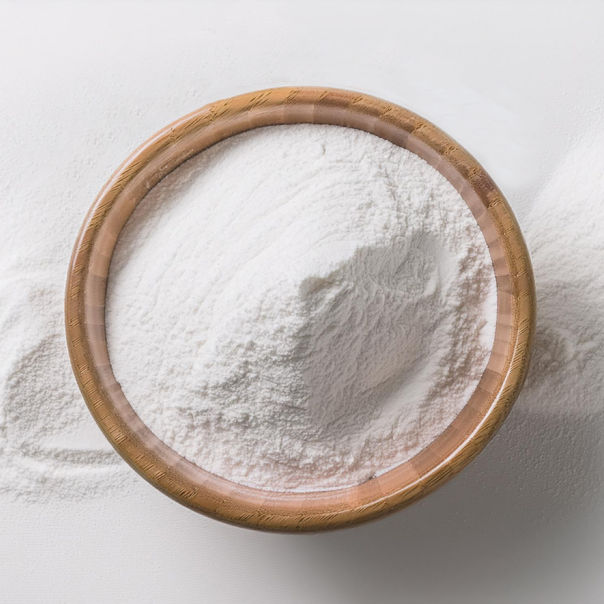
Plastic additives are inorganic or organic compounds added to primary or recycled plastic resins during the processing stage (such as extrusion or injection molding).
Their primary purpose is to:
- Change the physical and chemical properties of the base plastic.
- Improve the performance and durability of the finished product.
- Enhance processing efficiency.
- Reduce production costs for manufacturers.
Depending on the specific requirements of the end product, additives are mixed in varying proportions, usually ranging from 1% to over 50%.
2. The Importance of Plastic Additives
Without additives, many plastic products would not be able to withstand harsh environmental conditions or meet daily usage needs. Their key roles include:
- Protecting Materials: Preventing degradation caused by heat, oxygen, and UV rays.
- Enhancing Aesthetics: Providing diverse colors, gloss, or transparency.
- Improving Performance: Increasing hardness, flexibility, impact resistance, or flame retardancy.
- Cost Optimization: Fillers help reduce the amount of expensive primary resin required while maintaining product quality.
3. Common Types of Plastic Additives Today
The plastics industry uses hundreds of different additives. Below are the most popular types currently on the market:
3.1. Filler Masterbatch
This is one of the most widely used additives. It consists of Calcium Carbonate (CaCO3) powder mixed with a base resin.
- Benefit: Significantly reduces production costs and increases the hardness and stability of the product.
- Applications: Plastic bags, woven sacks (PP bags), PVC pipes, and household plastic products.
3.2. UV Stabilizers (Anti-UV Additives)
As discussed in previous articles, these additives protect polymers from the harmful effects of ultraviolet radiation.
- Benefit: Prevents fading, yellowing, and brittleness when products are exposed to sunlight.
- Applications: Agricultural films, outdoor furniture, and automotive parts.
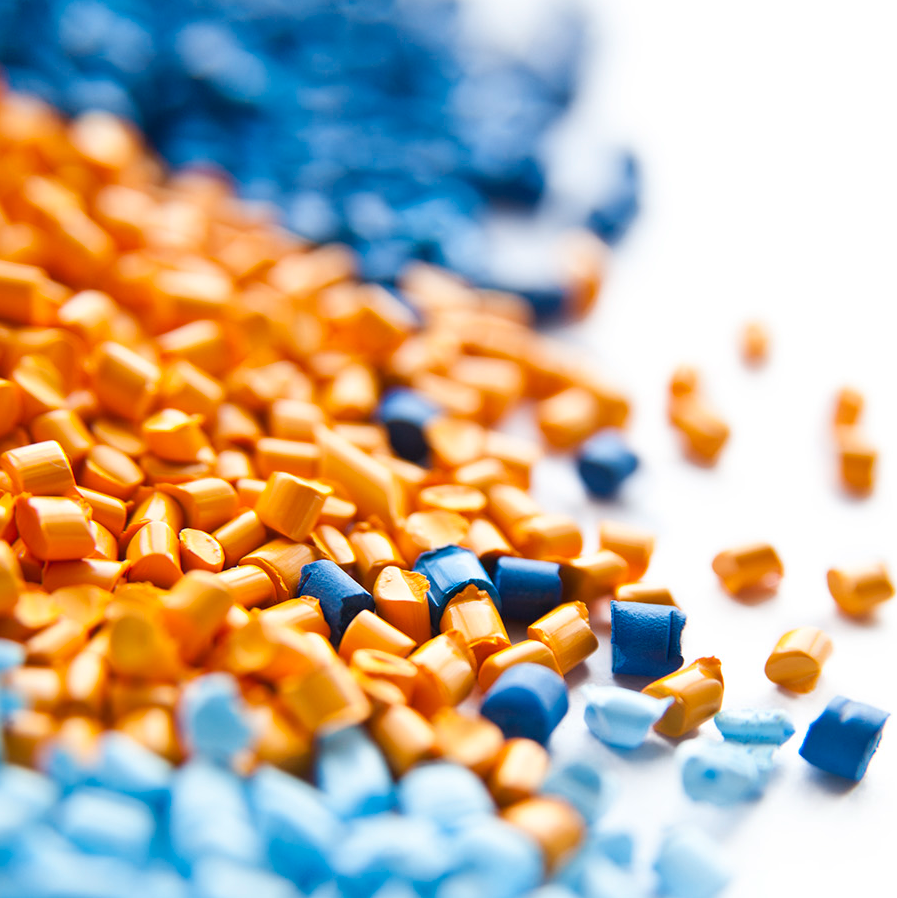
3.3. Color Masterbatch
Used to create color for plastic products instead of using raw pigments.
- Benefit: Ensures uniform color distribution and is easy to handle during production.
- Applications: All types of consumer plastic goods, packaging, and toys.
3.4. Antistatic Additives
Plastic is naturally an insulator, which often leads to the buildup of static electricity on its surface, attracting dust or causing electrical discharge.
- Benefit: Reduces surface resistivity and prevents static buildup.
- Applications: Electronic packaging, specialized films, and components for the electrical industry.
3.5. Flame Retardant Additives
These are added to minimize the risk of fire and prevent the spread of flames.
- Benefit: Increases the ignition temperature and slows down the burning process.
- Applications: Electrical wires, construction materials, and interior components for vehicles and aircraft.
3.6. Processing Aids (PPA)
Added in small amounts to improve the flow of the plastic melt.
- Benefit: Eliminates “melt fracture” (sharkskin effect), reduces friction, and increases production speed.
- Applications: Film blowing (PE), pipe extrusion, and cable coating.
3.7. Optical Brighteners & Clarifiers
These additives improve the visual clarity of the plastic.
- Benefit: Increases transparency and gives products a premium “bluish” white tint.
- Applications: Food containers, high-end packaging, and syringes.
4. Practical Applications of Plastic Additives
Plastic additives are present in almost every aspect of modern life:
- Packaging Industry: Improving the strength and transparency of food wrap, shopping bags, and bottles.
- Construction: Enhancing the weather resistance and durability of PVC pipes, roofing sheets, and flooring.
- Automotive Industry: Reducing weight while maintaining high impact resistance for bumpers and interior panels.
- Agriculture: Providing long-lasting protection for greenhouse films and irrigation systems against pesticides and sunlight.
Conclusion
Plastic additives are not just “extra ingredients”—they are the core factor that elevates the value of plastic products. Choosing the right additive helps manufacturers optimize production, protect the environment, and provide consumers with high-quality, durable, and safe products.
Evoplas is proud to be a leading provider of high-quality plastic additive solutions. If you are looking for technical advice or high-performance additives, please contact us for the most professional support.